MD Program at PLTCI College of Medicine
The MD Program at PLTCI College of Medicine is designed to provide students with strong medical knowledge, clinical understanding, and practical healthcare exposure through integrated academic and hospital-based training.
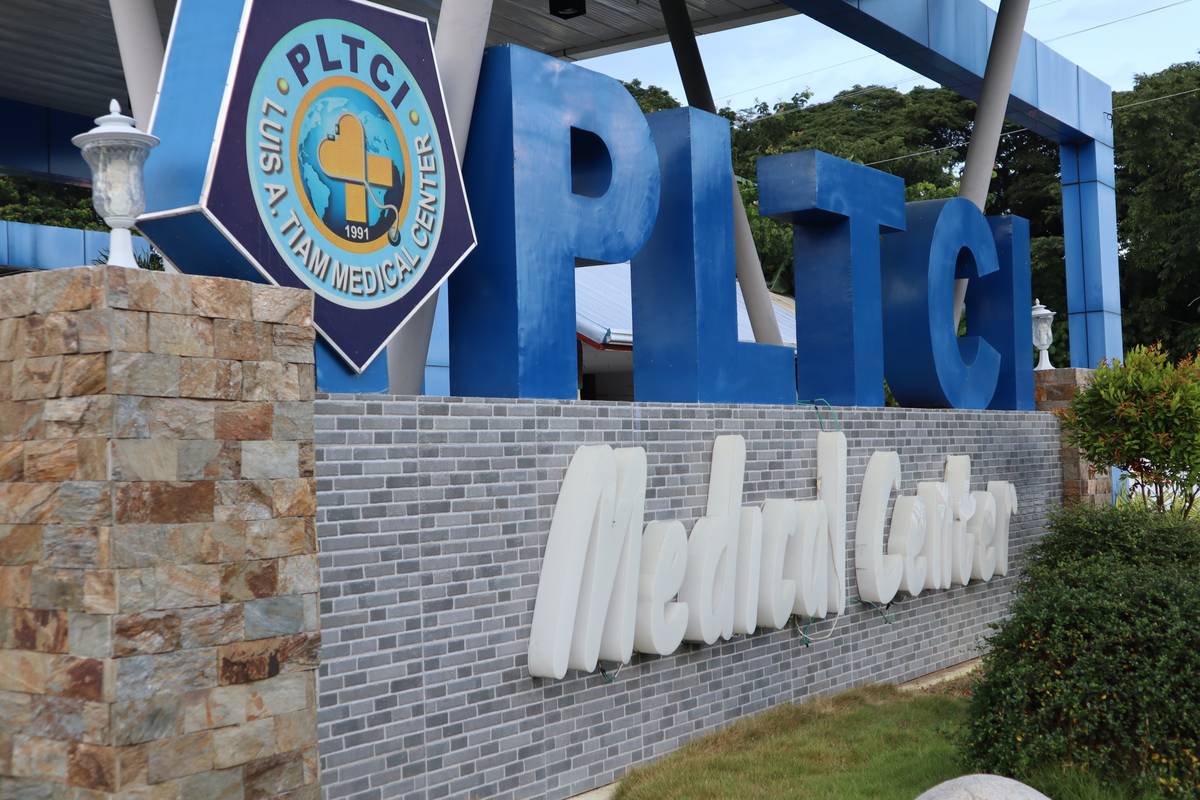
The program combines theoretical learning, laboratory training, clinical discussions, and hospital-based education to prepare future doctors for modern healthcare environments.
Students receive training in anatomy, physiology, pathology, pharmacology, internal medicine, surgery, pediatrics, obstetrics, and community healthcare — all delivered in 100% English medium.
The academic structure focuses on building clinical confidence, communication skills, and patient care understanding through continuous medical training and supervised learning from Year 1.
Highlights of the MD Program
- English Medium Medical Education
- Clinical-Based Medical Learning
- Experienced Faculty Guidance
- Modern Medical Curriculum
- Practical Patient Exposure from Year 1
- Hospital-Based Training at PLTCI Medical Center
- International Learning Environment
- FMGE / NExT Preparation Support
Pre-Medical Program in Philippines
The Pre-Med Program at PLTCI College of Medicine helps students build a strong foundation in science and healthcare-related subjects before entering the advanced MD program.
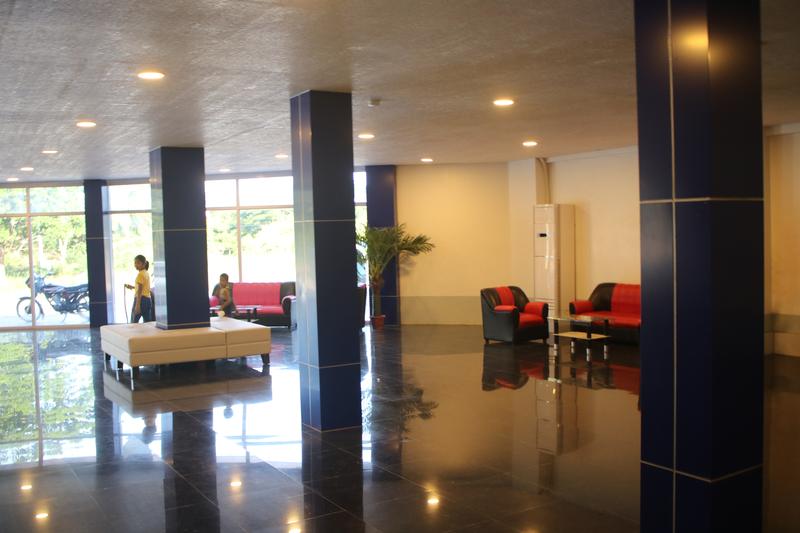
The program focuses on biology, chemistry, anatomy, psychology, communication skills, and basic healthcare sciences that prepare students for the full MD program. Students receive academic guidance, laboratory exposure, and structured learning support that help them adapt smoothly to medical education in the Philippines.
Strong Science Foundation
Core biology, chemistry and anatomy to build medical thinking before MD.
English Medium Learning
All pre-med classes conducted 100% in English — no language barrier.
MD Program Preparation
Structured pathway designed to transition smoothly into the 5-year MD program.
Laboratory Practice
Hands-on lab sessions in biology, chemistry, and basic anatomy.
Student Development
Academic counselling and mentoring to support student growth and confidence.
Healthcare Knowledge
Introduction to healthcare systems and community medicine concepts.
Medical Curriculum at PLTCI
The curriculum at PLTCI College of Medicine is structured to provide balanced academic learning and practical medical exposure — combining classroom education, laboratory sessions, hospital training, and clinical case discussions.
The medical curriculum is designed to help students understand healthcare systems, disease diagnosis, patient care, and modern medical practices. Students receive continuous academic support and clinical guidance throughout the complete program.
All subjects are taught in English by experienced faculty who combine academic instruction with real-world clinical examples and case studies from PLTCI Medical Center.
Subjects Covered in the MD Program
Clinical Training for MBBS Students
Clinical training is one of the most important parts of medical education at PLTCI. Students receive hands-on exposure through patient interaction, ward observation, clinical case discussions, and supervised hospital learning.
The training helps students develop practical understanding of diagnosis, patient management, communication skills, and healthcare procedures in a professional clinical environment.
Students work alongside experienced medical faculty and healthcare professionals — gaining real exposure to patient care workflows, clinical decision-making, and multidisciplinary team collaboration from Year 1 of the MD program.
OPD Observation
Direct observation of outpatient consultations and patient assessment methods.
Ward Rounds
Supervised ward rounds with senior clinicians — learning bedside medicine.
Patient Interaction
Structured patient interaction sessions to build communication and empathy.
Case Discussions
Clinical case analysis led by faculty — building diagnostic reasoning skills.
Clinical Demonstrations
Live demonstrations of clinical examination techniques and procedures.
Team Collaboration
Learning to work effectively in multidisciplinary healthcare team settings.
Training at PLTCI Medical Center
Clinical training is conducted at PLTCI Medical Center — the institution's own hospital — giving students real patient care experience from Year 1 under professional medical supervision.
Hospital Rotations & Medical Exposure
PLTCI College of Medicine provides hospital rotation opportunities that help students understand real healthcare environments and patient care systems across multiple medical departments.
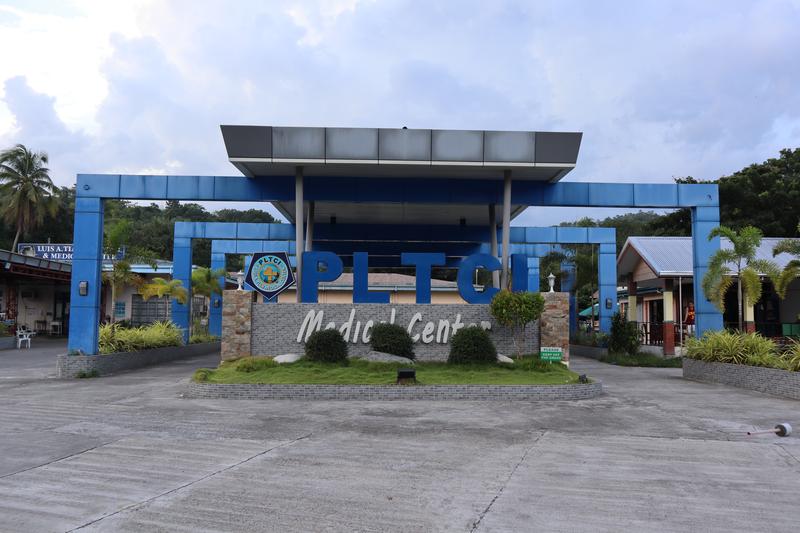
During hospital rotations, students observe different medical departments and gain exposure to patient diagnosis, treatment planning, emergency response, and clinical procedures — all under professional supervision.
Advanced Simulation Laboratories
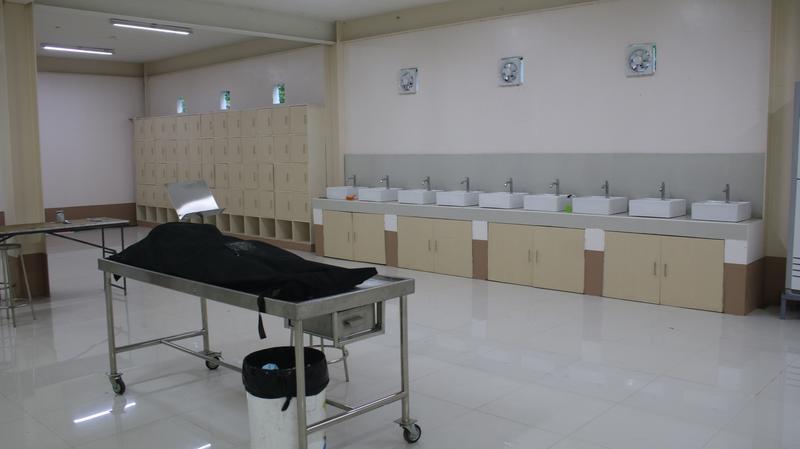
PLTCI College of Medicine provides simulation laboratory facilities that support practical learning and clinical skill development — allowing students to practice in a safe, controlled academic environment before real patient care.
Simulation-based learning helps students understand medical procedures, patient assessment, emergency response, and healthcare techniques with confidence before entering live clinical settings.
The anatomy laboratory at PLTCI is equipped with modern dissection tables, specimen resources, and clinical teaching aids — providing a comprehensive foundation for medical study.
Anatomy Lab Practice
Cadaveric and model-based anatomy learning with faculty supervision.
Clinical Simulation
Simulation of clinical procedures in a safe, supervised environment.
Basic Medical Procedures
Practice of injections, wound dressing, IV access, and basic procedural skills.
Diagnostic Skill Training
Physical examination skills and diagnostic reasoning in simulation setting.
Equipment Learning
Hands-on training with medical equipment used in clinical practice.
Emergency Response
Simulation of emergency scenarios — CPR, airway management, trauma response.
Medical Research & Academic Development
PLTCI College of Medicine encourages students to participate in research activities and academic learning programs that improve medical knowledge, analytical thinking, and scientific understanding.
Research-based learning helps students understand healthcare challenges, disease patterns, patient care systems, and advancements in modern medicine through structured faculty-guided programs.
The institution supports academic development through guided learning, faculty mentorship, and research-focused activities that build critical thinking and evidence-based medical practice.
Research & Academic Focus Areas
- Community Healthcare Research
- Clinical Case Studies & Reporting
- Public Health Awareness Programs
- Medical Education Research
- Preventive Healthcare Studies
- Healthcare System Analysis
Academic Calendar & Learning Schedule
PLTCI College of Medicine follows an organised academic calendar designed to maintain structured medical education and continuous student learning throughout the academic year.
Semester Classes
Structured semester schedule with regular lecture sessions and faculty-led classes.
Clinical Sessions
Scheduled clinical postings and hospital training integrated into the academic calendar.
Laboratory Training
Regular lab sessions for anatomy, pathology, pharmacology, and biochemistry.
Internal Assessments
Periodic internal assessments to track academic progress and clinical understanding.
Medical Workshops
Skill-based workshops, seminars, and academic events throughout the year.
Examination Schedule
Clearly defined examination dates with preparation time built into the academic plan.
Examination & Student Assessment System
PLTCI College of Medicine follows a comprehensive academic assessment system that evaluates theoretical knowledge, clinical understanding, laboratory performance, and practical medical skills.
Written Examinations
Theory papers covering all medical subjects — NMC-aligned question formats.
Practical Assessments
Lab practical exams testing anatomy, pharmacology, and clinical skill application.
Clinical Evaluations
Bedside clinical assessment evaluating patient examination and diagnostic reasoning.
Viva Voce
Oral examinations with faculty to assess depth of medical understanding.
Lab Performance
Continuous laboratory performance evaluation throughout each semester.
Internal Assessments
Regular internal tests, assignments, and class participation scored throughout the year.
Emergency Medicine Exposure
PLTCI College of Medicine provides hands-on exposure to emergency medicine training — helping students understand urgent patient care, rapid medical response, and emergency department coordination under supervision.
Students observe emergency healthcare procedures, trauma care support, patient stabilization methods, and emergency department coordination — building confidence and readiness for critical healthcare situations.
Emergency medicine exposure is integrated into clinical rotations at PLTCI Medical Center, ensuring every student gains meaningful experience in high-stakes medical environments before graduating.
Trauma Care Observation
Observation of trauma patient assessment, stabilisation, and emergency management.
Emergency Management
Patient management protocols in emergency department under senior faculty supervision.
Critical Care Awareness
Understanding of ICU care, ventilation support, and critical patient monitoring.
Rapid Medical Response
Training in rapid triage, initial assessment, and emergency treatment decision-making.
Team Coordination
Learning emergency healthcare team dynamics, communication, and coordination.
ED Exposure
Regular postings in the emergency department at PLTCI Medical Center.
Ready to Begin Your MBBS Journey at PLTCI?
All academic programs are delivered in English medium with complete support for Indian students — from admission to graduation and FMGE/NExT preparation.